
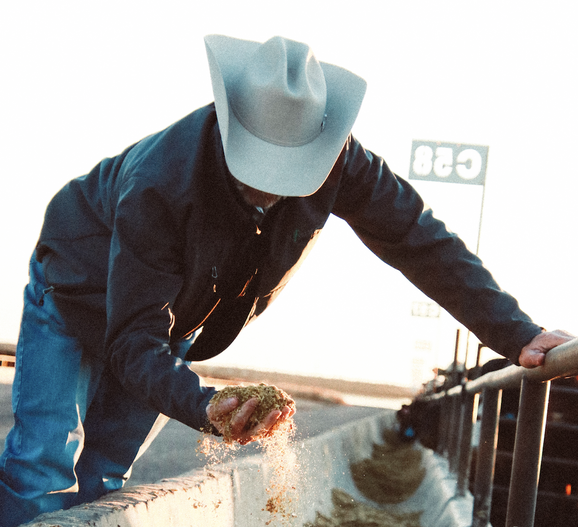
Raising beef responsibly is a top priority for cattle feeders which is why they utilize practices that are good for the environment. Improved efficiency means a lower carbon footprint and fewer natural resources used for every pound of beef.
Agriculture, land use, land use change and forestry combined in the U.S. are a net sink of CO2 equivalent emissions, meaning they remove more metric tons of CO2 from the atmosphere than they emit. 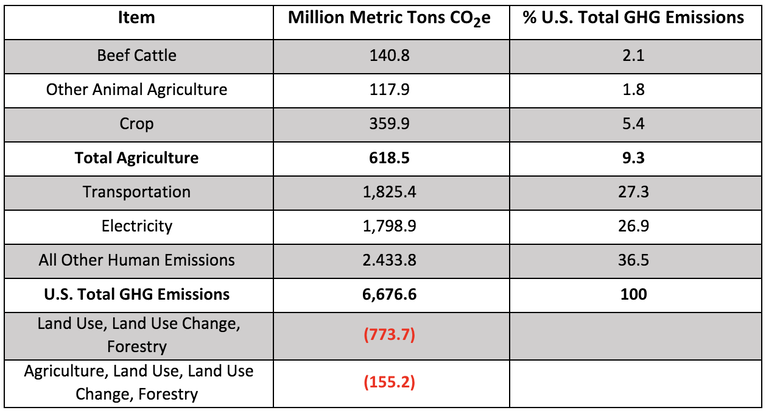
Other Cattle & Climate Facts
1 Comment
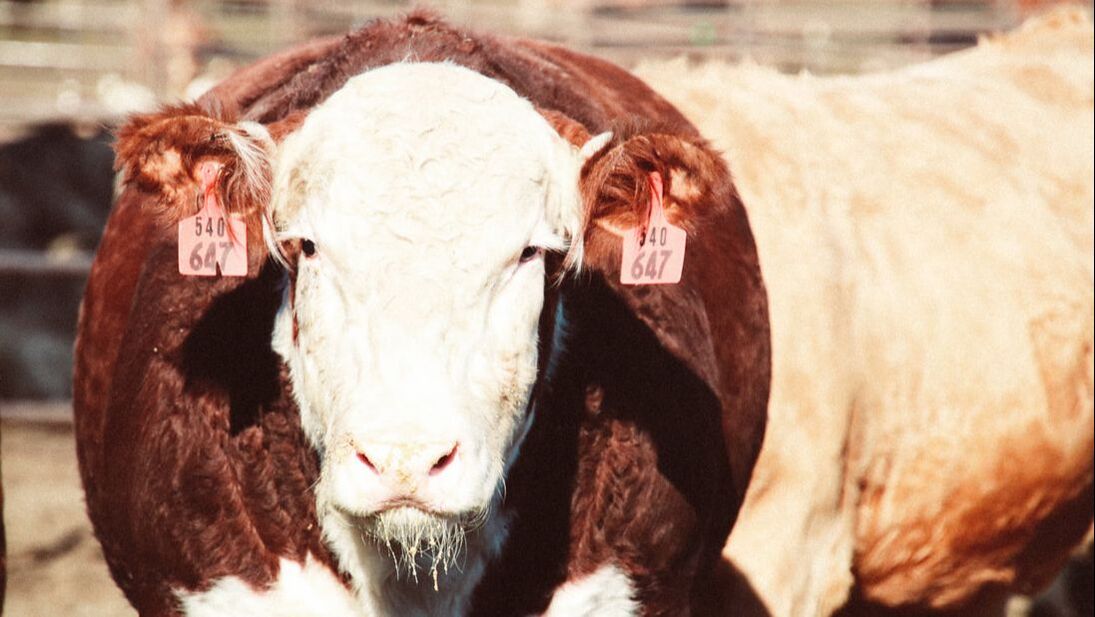
Amarillo, Texas - The Texas Cattle Feeders Association (TCFA) today called on U.S. Agriculture Sec. Sonny Perdue to remove payment limitations on producers that have suffered extraordinary losses as a result of the COVID-19 pandemic.
“We are grateful for Sec. Perdue’s support of U.S. agriculture and the cattle industry during these unprecedented times, and appreciate USDA’s payment assistance,” Paul Defoor, TCFA chairman, said. “We understand that USDA is in the difficult position of allocating assistance levels for each segment of agriculture; however, the $125,000 payment limit per commodity fails to recognize the size and scope of the many cattle operations in Texas and across the nation. The proposed limit will preclude most cattle feeders in Texas, Oklahoma and New Mexico from receiving any meaningful assistance relative to their actual losses.” Earlier this month, a study led by Dr. Derrell Peel with Oklahoma State University projected market losses of $13.6 billion for cattle producers — $247.15 per head for cow-calf producers, $159.98 per head for stocker operators, and $205.96 per head for cattle feeders. TCFA members annually market more than 6,000,000 fed cattle or 28% of the nation’s fed beef. Under proposed payment limitations, the average TCFA feedyard (35,000 head capacity) will recoup less than 1% of actual losses. In addition to feedyard losses, the average producer who owns and markets 2,500 head of cattle in a custom feedyard will recover less than 25% of their loss. A mere 600 head will hit the $125,000 payment limit. “Our industry is facing unprecedented times in the wake of market disruptions. While the relief is welcomed, the caps simply aren’t substantial enough to stabilize the cattle feeding industry — an essential component of our nation’s food supply,” he said. Current USDA disaster assistance programs, including the Emergency Assistance for Livestock andthe Livestock Indemnity Program, do not impose payment limitations due to the extraordinary and unforeseen nature of producer losses. “USDA has precedence for not establishing payment limitations on producers who have suffered extraordinary losses as a result of disasters. Disaster assistance in response to COVID-19 should be no exception,” Defoor said. Background on USDA Assistance On April 19, 2020, USDA announced the $19 billion Coronavirus Food Assistance Program (CFAP). The program uses funds provided in the Coronavirus Aid, Relief, and Economic Security Act (CARES), the Families First Coronavirus Response Act (FFCRA), and other USDA existing authorities. The program provides $16 billion in direct support based on actual losses for agricultural producers where prices and market supply chains have been impacted by COVID-19. This includes $9.6 billion for the livestock industry, specifically $5.1 billion for cattle. ### Texas Cattle Feeders Association (TCFA) represents the cattle feeding industry in the three-state region of Texas, Oklahoma and New Mexico. This area, known as Cattle Feeding Country, is the largest cattle feeding region in the U.S. A multi-billion-dollar industry, it annually markets more than 6 million fed cattle – approximately 28 percent of the fed cattle produced in the United States. 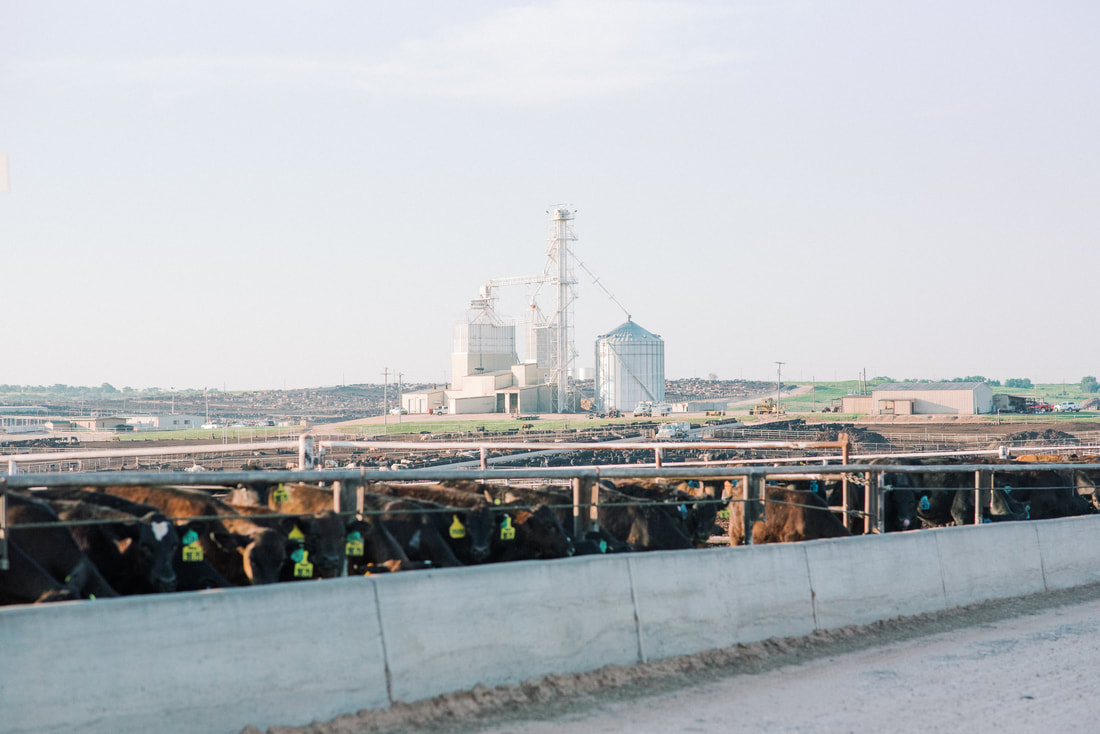
By: Carmen Fenton, TCFA Director of Communications
As the global population continues to grow, so will our need for a sustainable, nutritious, affordable supply of protein. Beef provides more nutrients in fewer calories than many other food choices. For example, a 3 oz. serving of beef contributes over 50% of the daily value of protein and is also an excellent source of zinc, vitamins B6 and B12, niacin, phosphorus and a good source of iron in about 170 calories. To get that same amount of protein you’d need to eat six tablespoons of peanut butter (564 calories) or three cups of quinoa (666 calories). But it’s not just the role beef plays in human nutrition that is important. Indeed, modern beef production is also good for the planet. The way beef is produced in the U.S. is incredibly efficient and should be looked to as an example for the rest of the world. In fact, U.S. beef has one of the lowest carbon footprints, 10 to 50 times lower than some nations. What is continuously distorted and misrepresented by anti-meat activists is the environmental impact of cattle in the U.S. According to the Environmental Protection Agency, Greenhouse gas (GHG) emissions from cattle only account for 2%. This number is low. And while there’s always room for improvement, one must recognize that all food production, and frankly all human activity, results in some sort of emissions. But not all food has the same nutrient packed, staying power as beef. It’s also important to know that cattle are ruminants, meaning they are specially equipped with four stomach compartments, the largest being the rumen. Why is this important? Because the rumen microbes give cattle the unique ability to upgrade plants that have little to no nutritional value to you and me into high-quality protein and micronutrients that humans need. Nowhere is this biological phenomenon on grander display than at the feedyard. Feedyard nutritionists curate precise rations for cattle during specific times of their lives using plant and plant byproducts that aren’t edible by humans. This allows for optimal growth and comfort using the least amount of natural resources possible. There is not a single vegan or vegetarian in the world I’ve convinced to eat beef based on these words alone. And that’s not my intent. The great thing about America is that we, the consumer, have choices. Know this: regardless of what foods you choose to nourish your body, the way cattlemen produce beef in the United States is good. It’s good for the economy; it’s good for your health; and it’s good for the environment. Cattle are not the problem, but part of the solution. Let’s celebrate that. 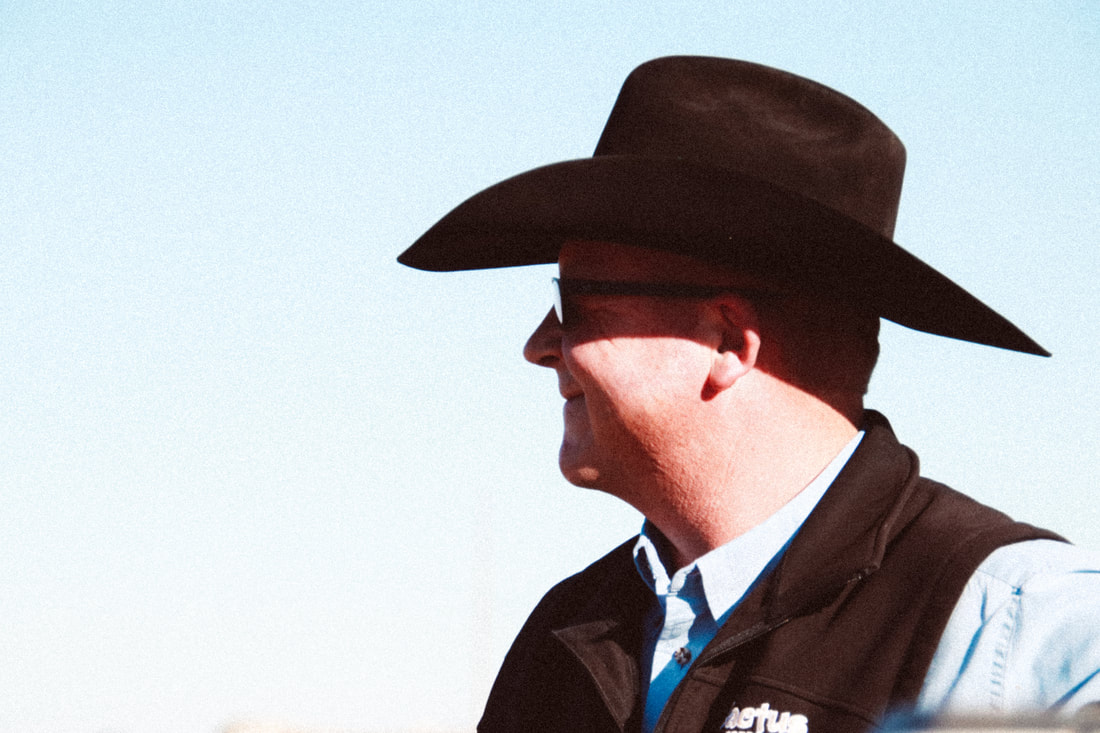
For Randy Shields, understanding his employees is the key to ensuring the utmost care for 50,000 head of cattle at Wrangler Feedyard. A general manager for almost 10 years, Shields emphasizes teamwork to create and execute feedyard operations each day.
“We all work together. We've got to get the cattle fed. They've all got to be watered. The pens need to be rode. It takes teamwork to make that happen,” Shields says. “Understanding people's strengths and weaknesses, even understanding your own is probably the biggest key to me. You have to make sure you're able to see that, place the right people in the right places, and then let them do their job.” Shields’ passion for people and the industry stems from his upbringing at the family ranch, his college education and 21 years of experience. He began working for Cactus Feeders after graduating from West Texas A&M University. Since then he has worked as cattle foreman, feed foreman, mill manager and assistant manager. In his current role he oversees all aspects of the feedyard from the cattle and feed departments to the yard crew and office management, an ideal role for Shields given his diverse past work experience.
“You've got the mill producing the feed. You've got the feed delivery department delivering the feed. You've got the cattle department going out and doing the daily duties of riding pens, taking care of the cattle,” he says. “Of course, at the end of the day, all these things come together. We do what we do to take care of the cattle.”
Although Shields’ job revolves around managing employees and overseeing day-to-day operations, his passion for the industry extends outside the feedyard. Wrangler Feedyard hosts over 100 tours a year. Teaching groups from across the world about U.S. beef production is something Shields says is crucial. “I think a challenge we have today is that only two percent of the population is involved in agriculture. Making sure folks are informed of what we do, why we do it, and how we do it is a very important thing,” he says. “That’s the reason we do tours. We have a story to tell. If we don't tell it, somebody else will tell it for us.” Spend a morning with Shields and you’ll quickly learn the amount of enthusiasm and commitment he puts toward managing the people and cattle under his care. He’s the quintessential man in charge — diligent, positive and willing to work with others to achieve success. “I enjoy working with people. I love knowing that the product we're producing is the highest-quality protein source on the market,” he says. “Call it cliché, but we’re helping feed the world. All of us working toward the same goal to create a wholesome product that we can send to the public is pretty amazing.” 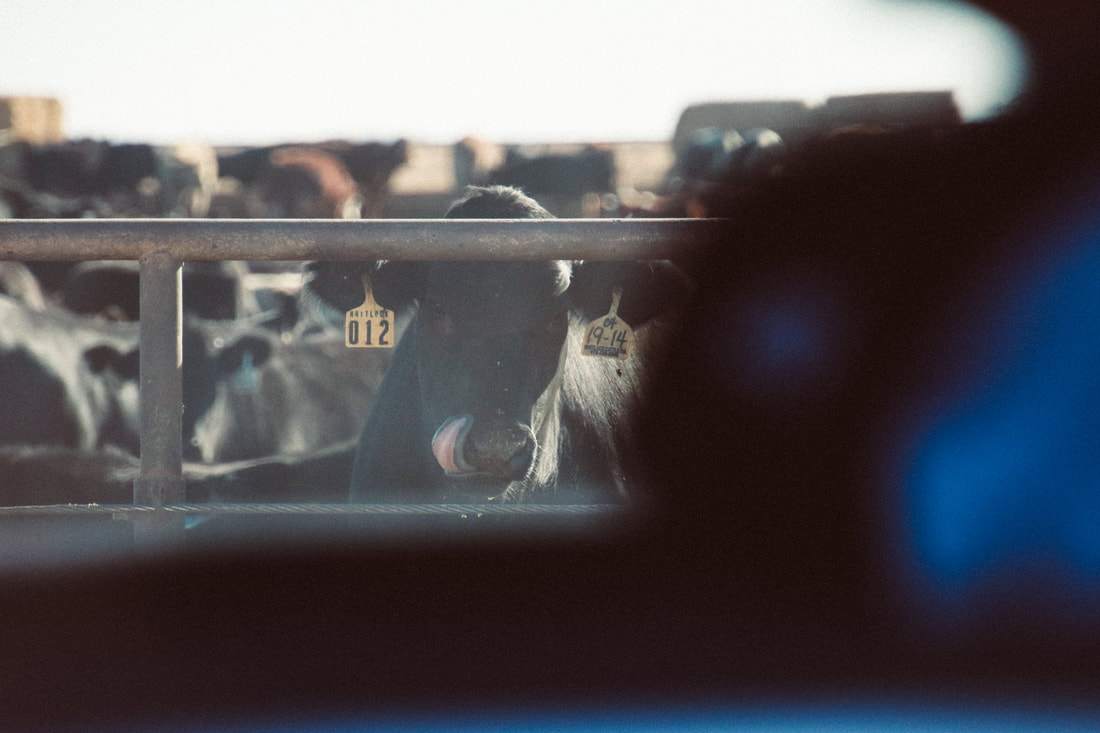
Madeleine Bezner is the communications coordinator for the Texas Cattle Feeders Association. She grew up in Dalhart, Texas where her family owns and operates a feedyard.
I've done hard things in life. Had three kids. Learned to pull a horse trailer. Hiked through The Narrows in Zion National Park. You get the picture.
But cooking three meals a day while quarantined with my kids and husband has been a true test of my skills. There are lots of people out there who find great joy in cooking. I am not one of them. In order for me to be successful in the kitchen, I need recipes that are fast, easy, wholesome and will please all FIVE of my people.
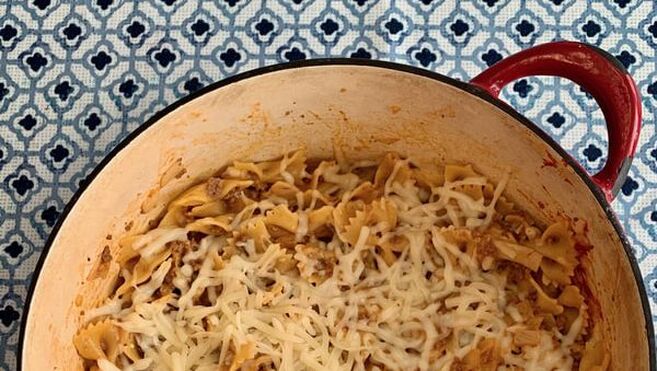
Enter the easiest, cheesiest ground beef pasta you’ve ever made in your life. The base of this recipe is from The Midnight Baker, but I've made some minor adjustments along the way. Y'all, this recipe is soooo good yet so easy that I talked my nine-year-old into playing chef for all of us. Win. Win.
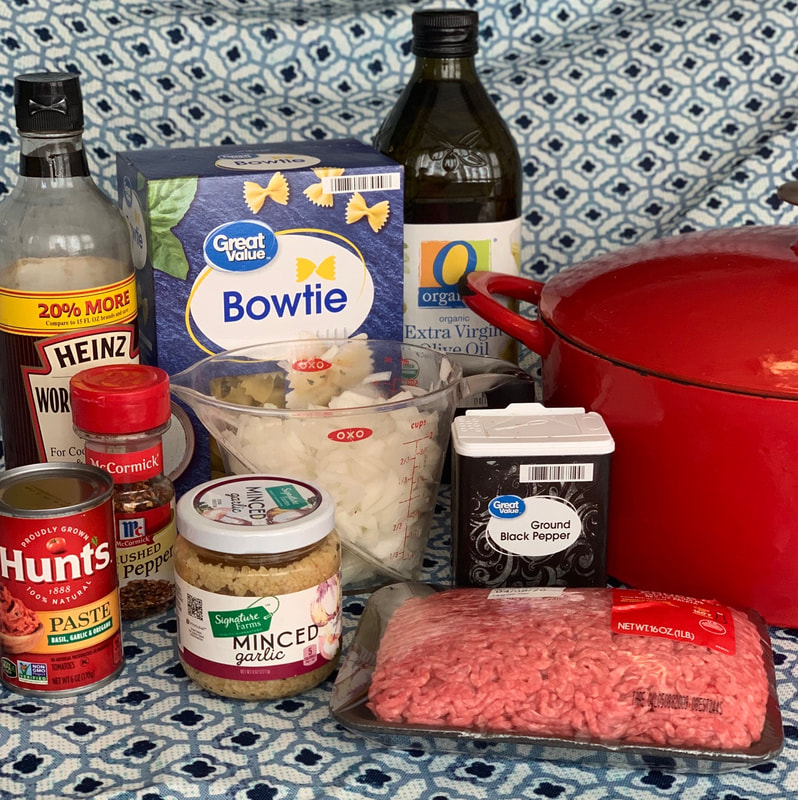
First things first - the ingredients. You will need a pound of ground beef. Ground beef is a staple in our house because it is affordable AND nutritious providing protein, zinc and iron. It's good for your brain and helps boost your immunity. You can buy it in bulk, break it up into 1 lb chunks and freeze it so you always have it on hand.
You'll also need cheese, pasta, a handful of seasonings and a great pot that can move easily from the stove to the oven. A pot like this will change your life. I took a pic of all the ingredients, but realized I left out the salt and the half & half because I'm crazy like that. You DO NOT want to forget the salt or the half & half. 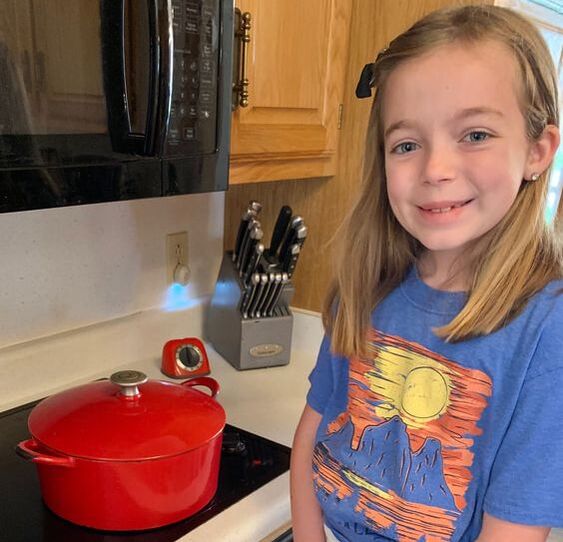
Next, get your pot, put it on the stove, and turn it up to high. Then get a stool. Then bribe your kid to do the hard stuff. Any kid will do as long as they understand this is not a game. This is supper. It helps if they can do the dishes after.
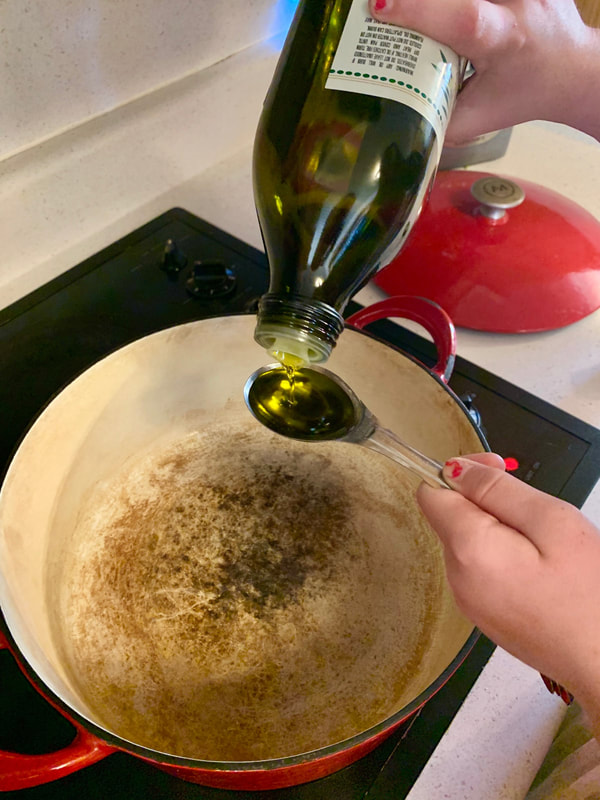
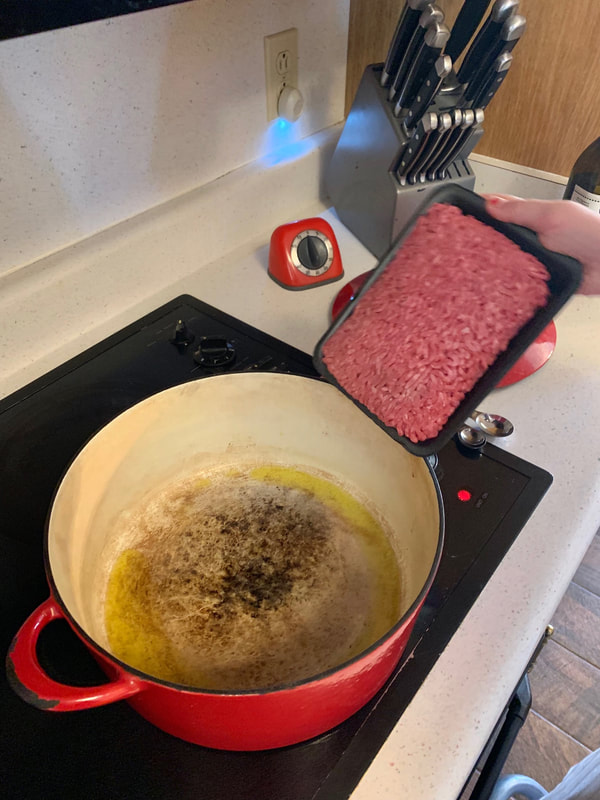
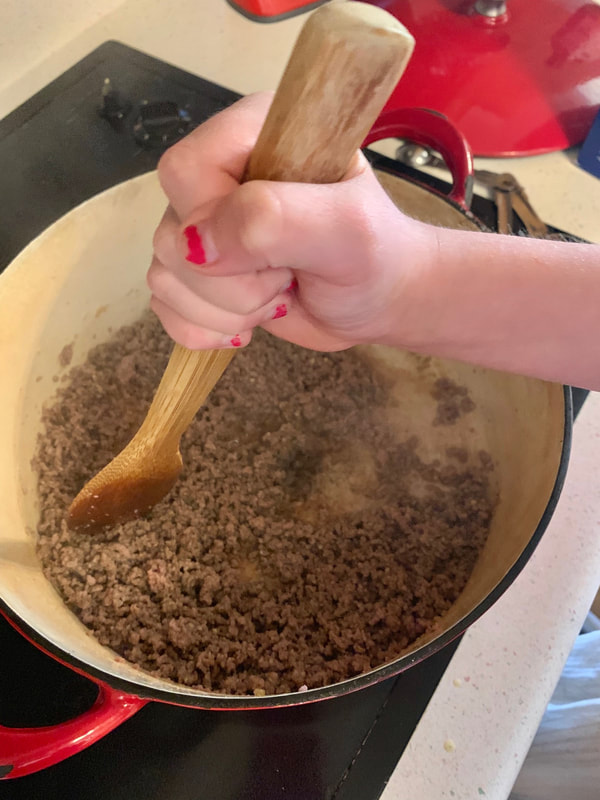
Get that olive oil hot, then plop your pound of ground beef with caution and listen to it sizzle. I'm using 80/20 because it was the only thing at the store, but any fat ratio will do. Break that ground beef up and keep stirring until it is good and brown. Turn your heat down to medium. Make sure your nails are painted.
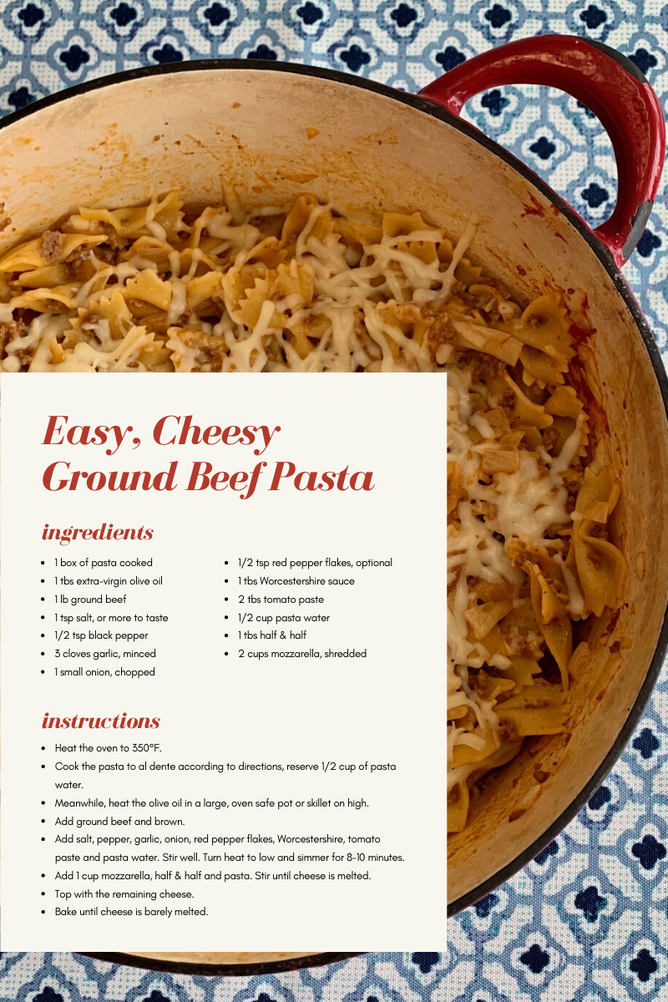
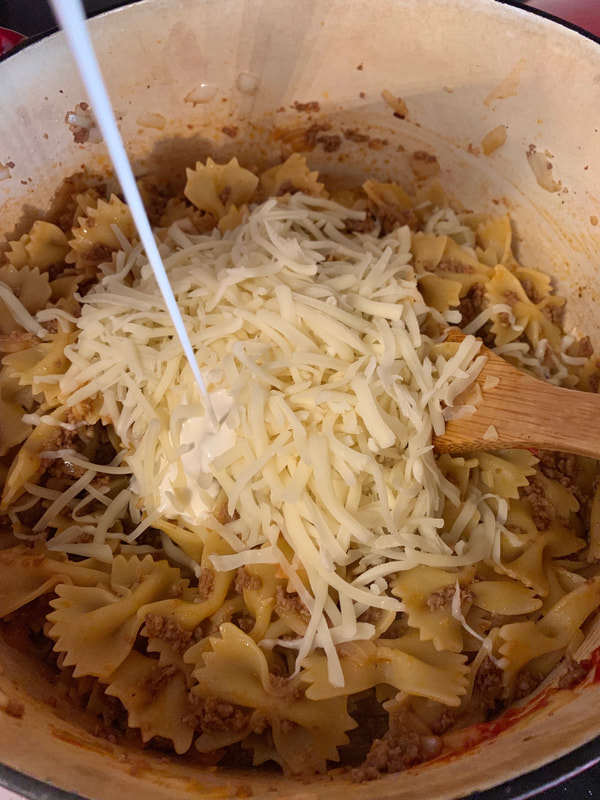
Add your salt, pepper, garlic, onion, red pepper flakes, Worcestershire, tomato paste and pasta water. Give it a really good stir, put the lid on, turn your heat to low and let simmer for about 8-10 minutes.
Once it's simmered, take 1 cup of your cheese and toss it in. Add the half & half and pasta. Then mix gently until your cheese is melted and all gooey looking. The final step is to sprinkle the remaining cheese on top and put the pot full of cheesy, beefy goodness right into a 350 degree oven just long enough to barely let the cheese melt on top. Keep a close eye as to not burn it. It usually takes less than five minutes. 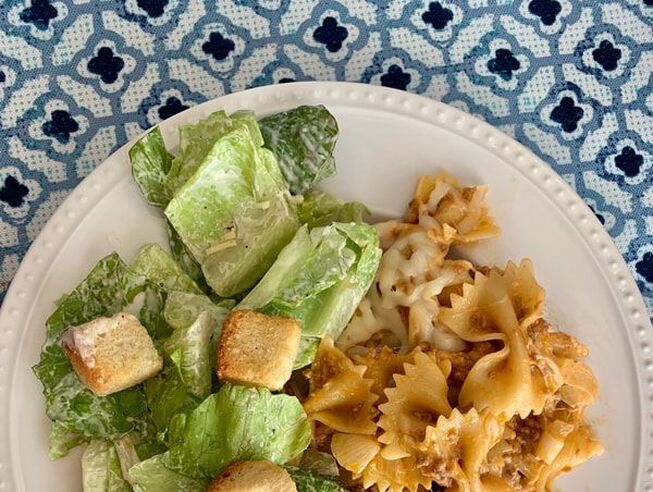
That's not true. The final step is to serve it up and watch everyone devour it.
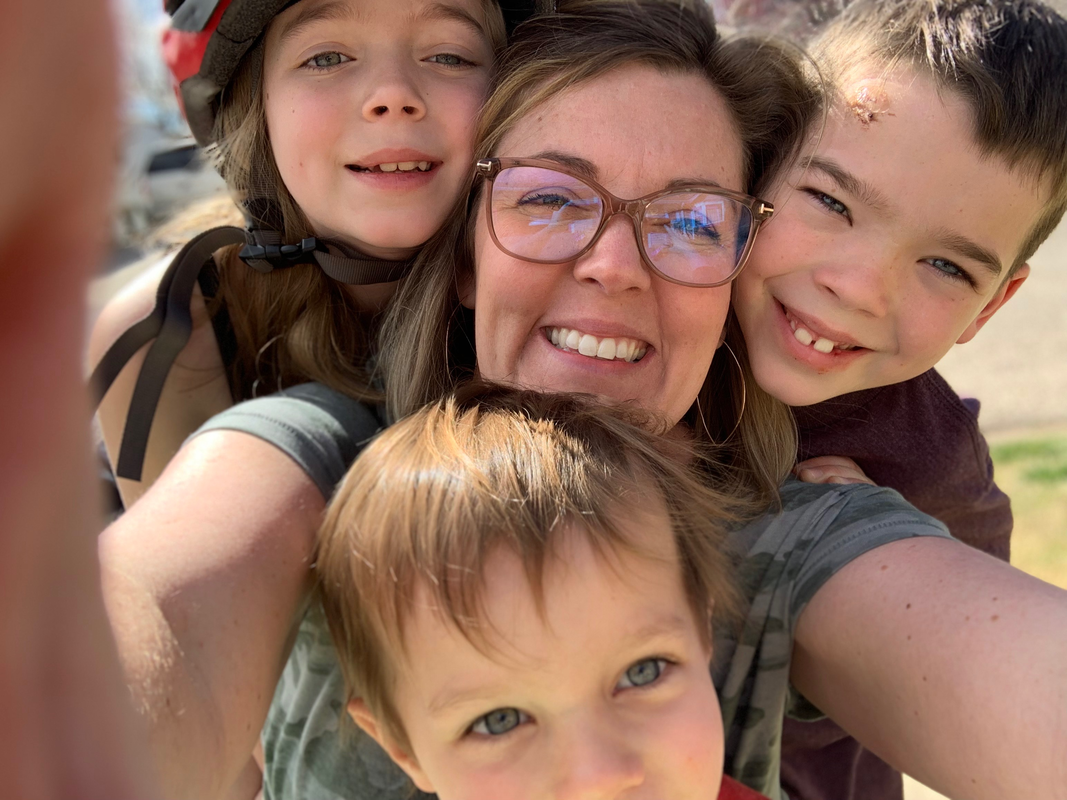
Carmen Fenton is the communications director for the Texas Cattle Feeders Association. She's also mom to Ella Jane (9), Hays (8) and Lane (2).
By Carmen Fenton, director of communications, TCFA
When I wrote this a few months ago, I had no idea what our nation, our world and our industry would be facing amid the coronavirus outbreak. Like many of you in agriculture, I’m not on the ranch, at the feedyard, the packing plant or the grocery store. I’m not on the front lines, and honestly, working from a computer screen feels so insignificant during a time like this.
So, what can I do to help the cause? Well, to start, I can stay home. There are thousands in our industry who cannot stay home. America depends on them to do what is necessary for all of us. When you stay home, you are protecting them. Not everyone can stay home, but I can. I can also remind everyone that beef is healthy and plentiful. The U.S. production chain is unmatched in terms of efficiency, and producers are working around the clock to get beef to you. I know there are empty meat cases in parts of the country, but rest assured that more is on the way. Also, our beef supply is safe. Public health and food safety experts do not have any evidence of food or food packaging being associated with transmission of COVID-19. However, we do know, that like other viruses, it is possible that the virus that causes COVID-19 can survive on surfaces or objects. This is why it is critical to practice good hygiene and properly cook meat. When cooking, be sure to use a food thermometer to ensure a safe internal temperature. Additionally, always follow the 4 key steps of food safety – clean, separate, cook and chill. Additionally, I can reassure you that feeding your family beef is a good decision. Beef provides nutrients we all need, particularly, protein, zinc and iron. These are key ingredients for a strong immune system, active lifestyle, brain development and are often lacking in diets of kids and teens. For older adults, getting the right amount of protein becomes even more important. Protein rich foods like beef help fight off diseases like sarcopenia (loss of muscle mass), type-2 diabetes and osteoporosis. Here are a few more quick facts to remember about beef.
As we all try to figure out this temporary, new normal, please know that TCFA will continue to provide you with accurate, timely information so you can make the best decisions for your family. 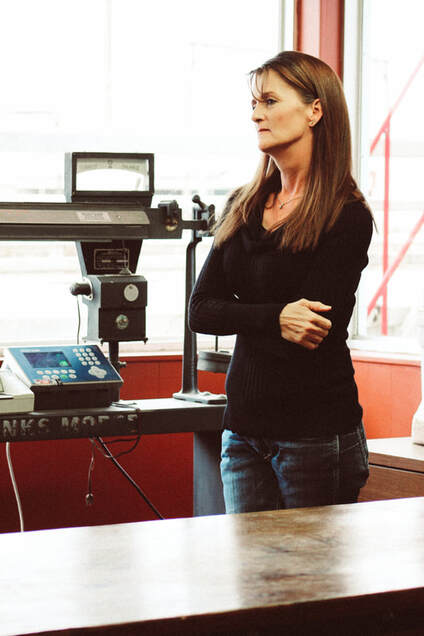
Samantha Bell did not grow up in agriculture. She grew up in town, only a short distance from the Texas Cattle Feeders Association office in Amarillo. That’s fitting, considering she’s held just about every job in the cattle feeding business.
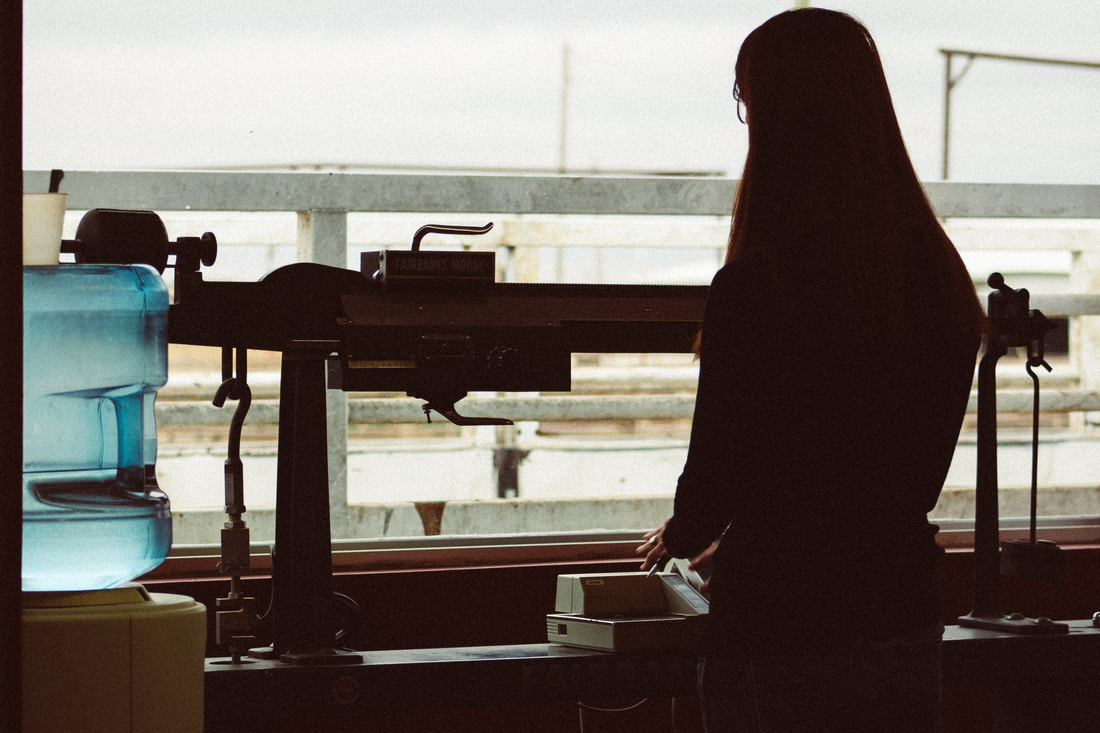
She’s been an office manager, a feedyard manager and prides herself on being able to do every job on the yard — both in case she’s ever needed, and to make sure others know she understands the role they play and challenges they face. But it wasn’t easy getting there. She recalls a time she didn’t know what she was doing. “I remember early on, when I first realized I wanted this to be a career and not just a paycheck, I was weighing trucks, commodity clerking and doing feed cards,” Bell says. “The cattle clerk came out and showed me a closeout, and it was probably the first time I'd ever seen one done. I pretended I knew exactly what was happening, but I really had no idea what any of it meant.” Bell asked if she could make a copy of the closeout, took it back to her desk and proceeded to break it down line by line. That’s when she realized how much she loved the numbers side of the business. 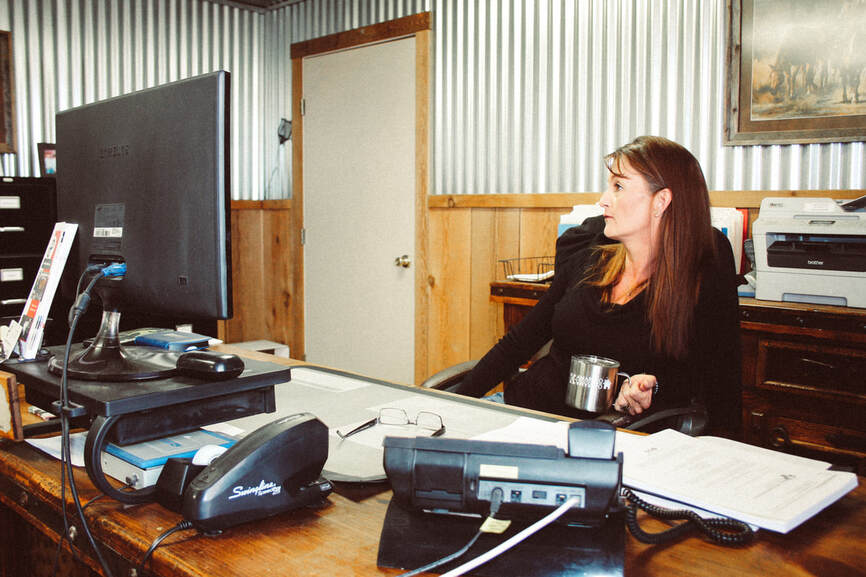
Today, Samantha serves as the Controller of Double D Feedyard in Dimmitt where she oversees every aspect of the company’s finances including payroll and accounting.
A woman’s work at a feedyard isn’t limited to just office jobs, Bell says. The fact that more women are serving in various roles within the industry makes her proud. “When I first started, there were hardly any women outside of office manager or administrative-type jobs,” she says. “Those roles are important, but today there are women riding pens, managing feedyards, doing just about every job on the payroll.”
She says the cattle feeding industry is a great place to work, and she would absolutely recommend it to other women, with the following advice:
“Know what you know and own it. Do not be afraid to voice it, but also don’t be afraid to admit a mistake,” she says. “Just be real, and work hard. The industry may not be the right fit for every woman, but it’s a great fit for some.” “If my daughter came up to me today and said, ‘Mom, show me the ropes,’ I would say, ‘Let's go!’” she adds. “Because it is kind of fun as a woman to say, ‘I can do that.’”
By: Katrina Huffstutler
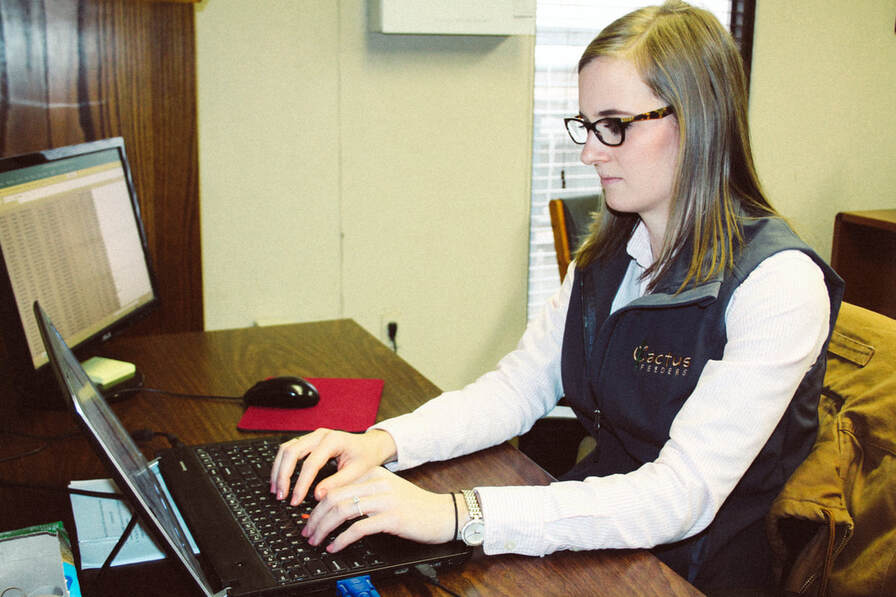
Raised by parents who worked in information technology and education, Alyssa Word didn’t grow up with a strong connection to agriculture. That changed when she joined a friend at a 4-H steer show and became fascinated.
Fast forward a few years, and she was a biomedical science major at Texas A&M University. She always wanted to be a scientist, so it was a logical choice. The only problem? “It was not a very fun major,” Word says with a laugh. “I hated it.” Two years in, she transferred her scientific basics to an animal science degree and started taking production classes. She was hooked — and even more so after completing a research internship with Cactus Feeders. 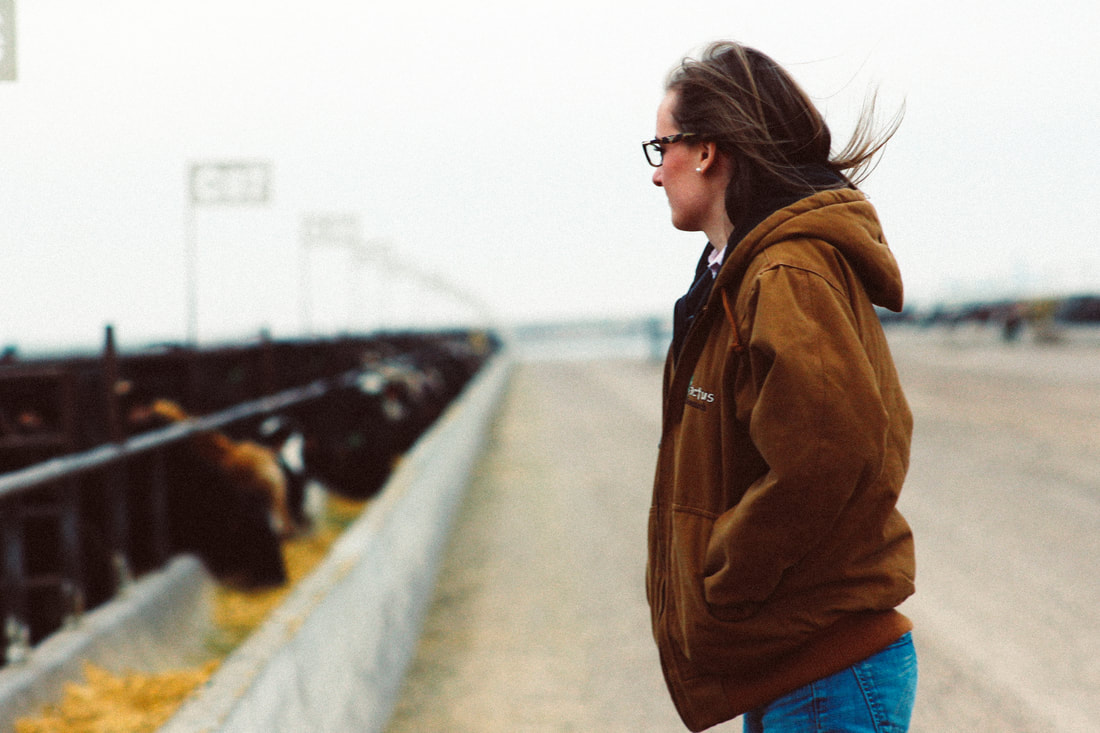
“The cattle industry has the greatest people,” Word says. “That is a part of what drove me to want to work in this business. They are the kindest people and so willing to teach someone. I loved that from day one. I didn't grow up understanding how feedyards work, and so coming in and sitting down with a feedyard general manager and asking hard questions — even though it’s intimidating, seeing their kindness and their willingness to help as long as I’m willing to learn, has been remarkable.”
And learn she did. Today, Word serves as the research scientist for Cactus Feeders, the very place where she started her career. Word spends two days a week at Wrangler Feedyard, the research arm of Cactus Feeders. She manages the day-to-day processes that include data quality control, process execution and data analysis. She works alongside Ben Holland, director of research, on protocol development that helps the organization work more efficiently.
“Our mission at Cactus is to produce more food using fewer resources so that safe, quality beef is available to anyone who wants to consume it,” Word said. “Research helps us make informed decisions to best execute that mission.”
Her advice to others in her position? Be pointed with your questions (because cattle feeders are busy), but also be willing to sit down and ask questions. “Because,” Word says, “I think the more that the men in the industry get to see the women interested and excited about this industry, and that they want to learn and see proficiency in those areas, the more it becomes an everybody is working together thing instead of a here’s a woman in a male-dominated field thing.”
By: Katrina Huffstutler
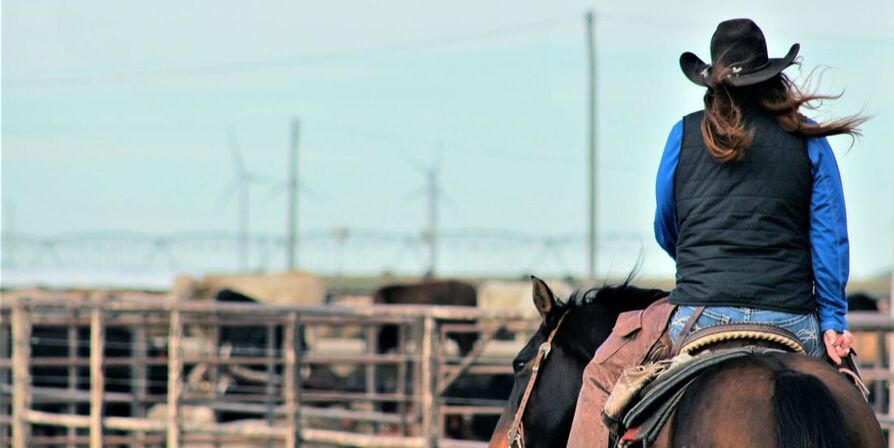
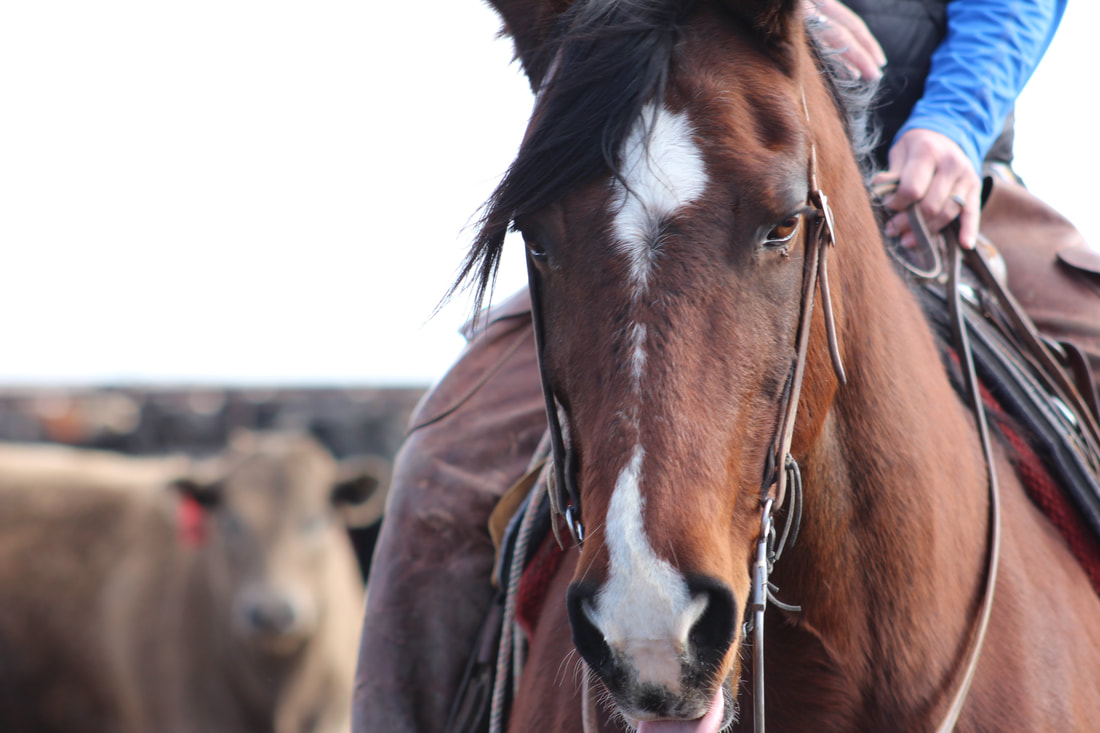
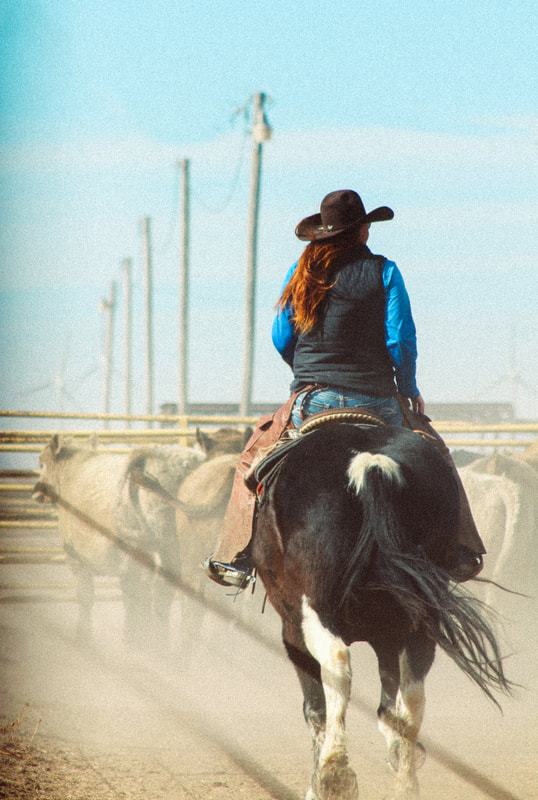
Jayme Fankhouser doesn’t remember a time in her life before she was horseback. But unlike most little girls who learn to ride, she made a career out of it.
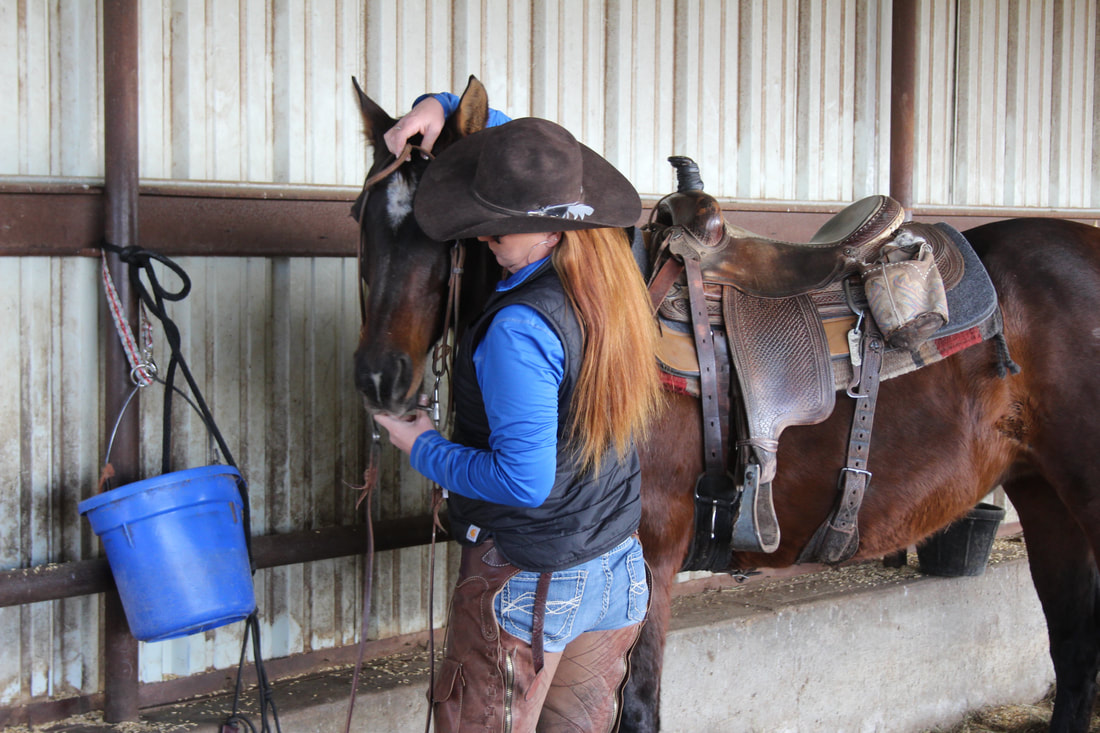
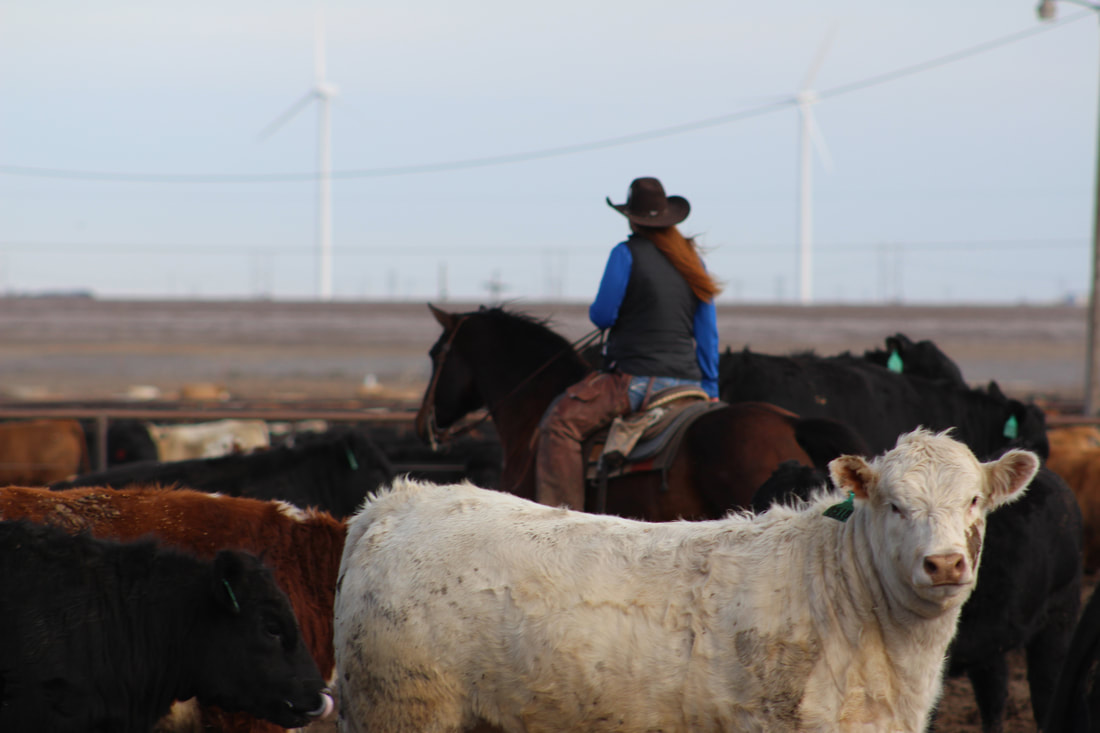
While no two days are the same for the pen rider, they always start early (she gets to work at 3:30 a.m. every Monday to prepare to ship cattle, closer to daylight the remaining days). By daylight, she’s riding the high-risk cattle, a responsibility she does not take lightly. “After the cattle leave my section, they will have been straightened out and ready for their new home,” she says. It’s an honor to look after the most fragile cattle in the yard, and even more impressive considering she’s one of very few females filling the role as pen rider. But she’s worked hard her whole career to be taken seriously, and never forgotten that the cattle come first. 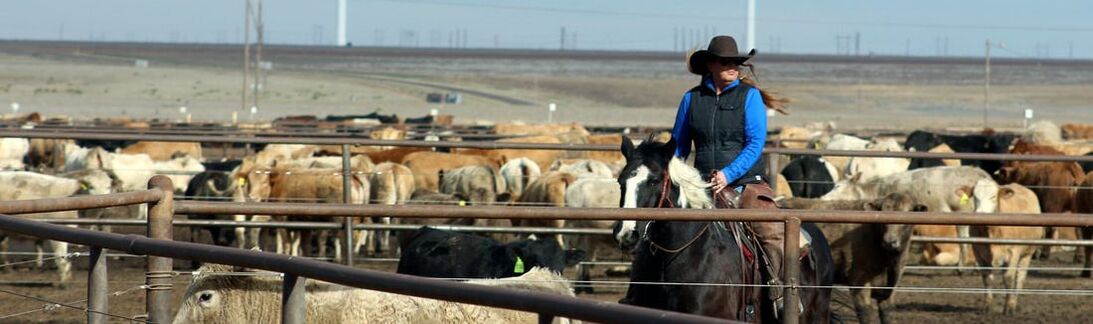
Even when it was scary starting out, she refused to give up on her dream.
“My father told me a long time ago, ‘You work in a male world, you’re going to have to work twice as hard to be noticed,’” Fankhouser says. “So I’ve gone those extra miles and I guess maybe I’ve established myself to the point where others take me seriously.” She says intuition, coupled with a natural nurturing side, make women a great choice as cattle caretakers. But the work is not easy. “You have to have thick skin, and you can’t be afraid of hard work or the elements,” Fankhouser says.
Despite the challenges, she’s the first to encourage other women to go for their dreams, no matter how unconventional.
“Women aren’t limited in the industry. We can be as successful as we want,” says Fankhouser, whose daughter also rides pens. “Whatever you set your mind to, if that's what you want to do, you can go do it.” 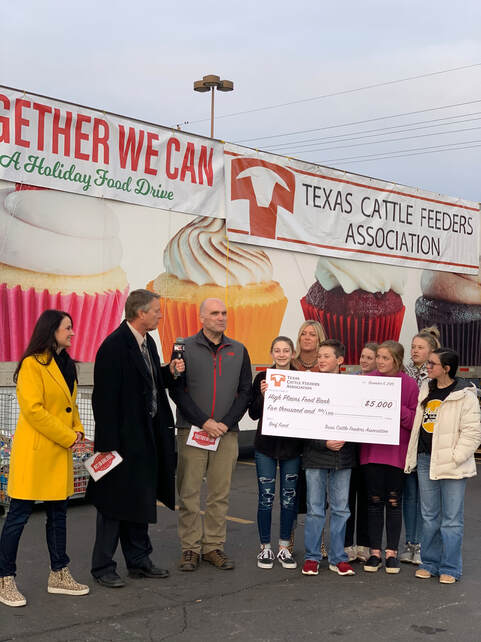 Thanks to the support of the entire local beef community, including TCFA members and local packing plants, the industry was able to raise over 200,000 pounds of ground beef for the High Plains Food Bank (HPFB) in 2019. In addition to pounds raised, collectively, TCFA members donated over $10,000 to the HPFB Beef Fund.
Wayne Craig, TCFA Industry Relations committee chair, along with students from Bushland, announced the total at the Together We Can High Plains Food Bank Food Drive televised event earlier this month. While the televised event has come and gone for 2019, there is still opportunity to support those facing food insecurity in our area. In fact, our local Wells Fargo Bank is matching donations up to $25,000 with a $5,000 per donation cap. There are multiple ways to donate and have your dollar matched.
Based on the account holder’s zip code, the donation will be directed to the local food bank! You can also donate directly to the HPFB Beef Fund. TCFA would like to thank all the organizations and individuals who diligently give year-after-year to folks in need. Thank you for all that you do for our local communities. |






About TCFA |
Get Involved |
|